International News About the North Korean Leader.

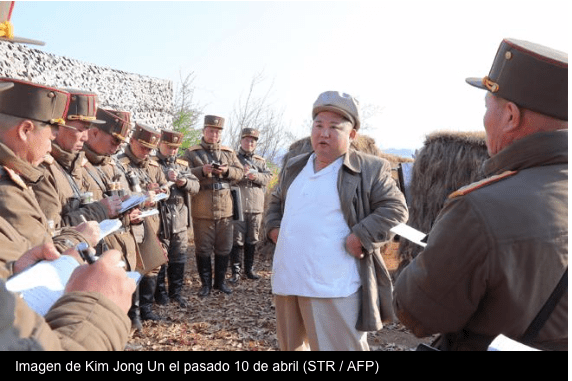
This article I found in  La Vanguardia, a Catalan news source, speculates the health of North Korean leader Kim Jong Un. It was recently reported that the leader was in “grave condition after a surgery”, however there has been no confirmation from the government. Kim Jong Un’s health, at age 36, has been in question as he has recently not made any public appearances or participation in international events. The last time he participate was April 11th, 2020; the photo shown below was taken on April 10th, 2020.

There have been reports that it was a heart surgery he was undergoing, but most is unknown due to the secrecy of the North Korean government. In 2014,a similar situation occurred that questioned the health of the North Korean leader, but again there was no confirmation from the government.
Children in Coronavirus lockdown

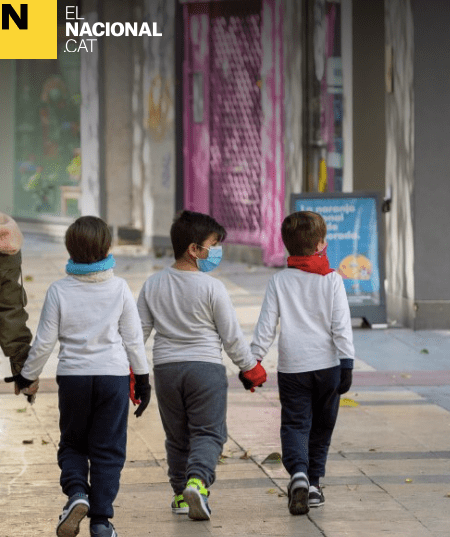
An article that I found in El National, a Catalan news site, talks about Catalunya easing restrictions during the Coronavirus lockdown. On Sunday April 18th, the Catalan government stated that children ages 0-18 will be allowed to go outside sometime soon. Children over the age of 3 must be wearing a mask and children under 16 must be with an adult that they have lived with during the lockdown. 

This new ease on the restriction is understandable to begin with children because they are the least likely demographic to face severe conditions when infected with the virus. Furthermore, I think this new rule will help Catalonia’s in feeling less stuck during the lockdown. It is especially difficult to work from home and entertain a child in a small apartment, which is what many families have been facing. In speaking with one of my professors in Barcelona earlier in the lockdown he said that residents were only allowed to grocery stores and pharmacies and to walk their dogs. Oftentimes local authorities will stop people on the street and they will receive a fine if they do not have one of the previous listed reasons.

#SeguimosConectados

This article I found in  La Vanguardia, a generally neutral sometimes conservative news source, touches on people staying connected during these tough Coronavirus times. While the government of Spain has recently extended the lockdown until May 9th, families continue to be seperated. This is a hard time for everyone, and I feel for the people of Catalonia. A crucial part of Catalan culture is being together, spending time with family at a cafe, the park, and church. 

This article talks about how friends and family are using technology to cope with the separation; they play games online together, zoom large family lunches, and stream church services online. The Catalan citizens talk about the importance of checking in on eachother, making sure everyone is okay and ending with “Lo importante es saber que seguimos conectados”, translating to “the important thing is knowing that we will continue to stay connected”.

El Amor de la Cava

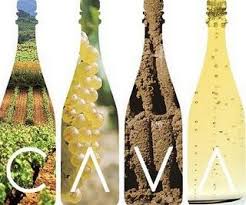
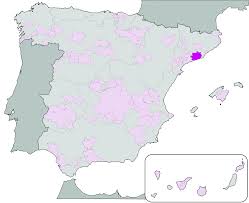
Cava is a sparkling wine cultivated in Spain and found in almost every store and on every menu. I was first introduced to the importance of Cava while in the Catalan city of Tarragona, which is the largest for Cava production; all of Catalonia holds 95% of Spain’s Cava production! Cava has been around since the mid- 1800s and originated based on a traveler’s influence from the Champagne region of France. It is traditionally made with white grapes making it a sparkling white, similar to Champagne. However, because it is not produced in the Champagne region, it cannot be advertised as Champagne. 

Cava has become a huge part of the gastronomy scene, especially in Barcelona where there are several Michelin star restaurants. When ordering, I found it very helpful to ask servers what kind of wine paired with my food well, and Cava was often an answer! 

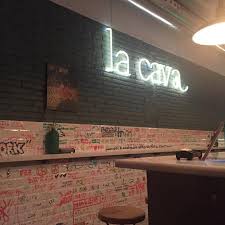
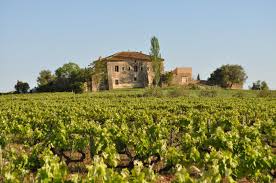
While there are plenty of bars in Barcelona dedicated to solely Cava, one of my favorite discoveries was La Cava in the neighborhood of Gracia. This cafe has Cava everything: cupcakes, sangria, and all types of Cava! One thing I wish I could do when I return to Catalonia is visit a winery in the Penedes region for a full tour and tasting.

A Catalan Valentine’s Day

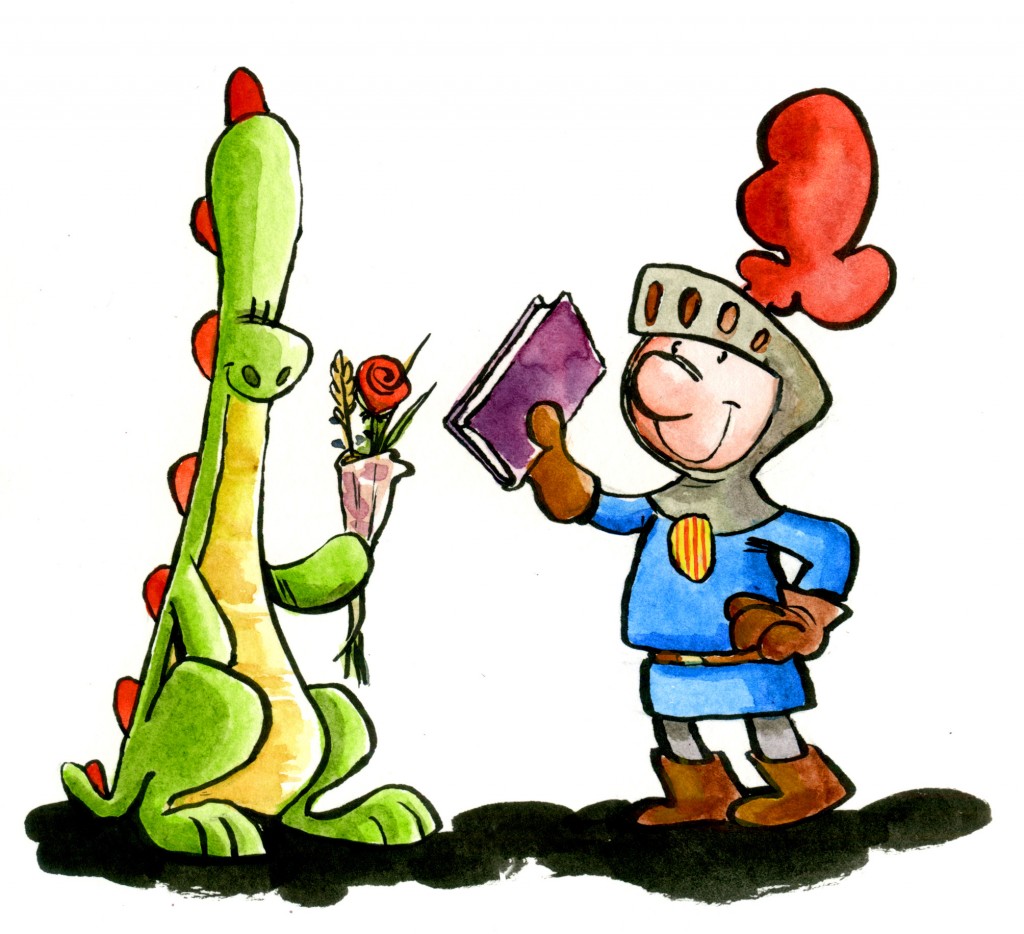
While in Catalunya, I noticed that Valentine’s Day wasn’t widely celebrated. This surprised me because I thought since it was based off of Sant Valentin, Spain would celebrate a saints day. However, I soon learned that the holiday is largely celebrated in America with gifts and companies using that time to promote sales. In Catalunya, their “day of love” equivalent is Dia de Sant Jordi, based on the Patron Saint of Catalunya. 

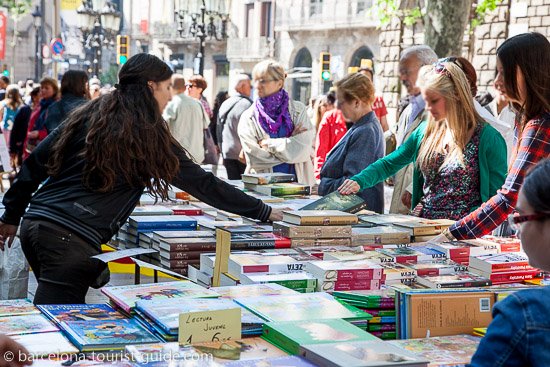
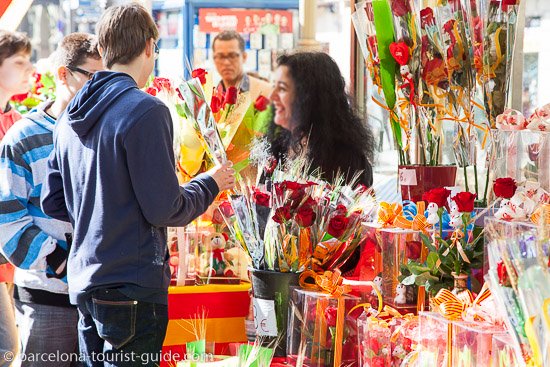
This holiday originated from the legendary story of Sant Jordi defeating the dragon and saving the princess, gifting her with roses. Dia de Sant Jordi is celebrated by Catalan people by ‘a book and a rose’. It is tradition for men to give women a rose, and in return women give men a book. The week leading up to Sant Jordi Festival there are vendors all on the streets with books and flowers. There is also a festival on Dia de Sant Jordi, however this is not considered a public holiday so businesses and schools remain open. 

It is disappointing that Catalonias will not be able to celebrate the Sant Jordi Festival this year with everyone because of Coronavirus, but I do hope that people are safe and quarantined with their loved ones to celebrate the day at home.

A Leisurely Stroll down Rambla Cataluña

Another popular leisure activity in Barcelona is going out to a bar or cafe with friends. While it may sound like a common activity to do in every city, in Barcelona it is a lifestyle. One of my favorite places to sit and pass the day in a cafe with friends was the Rambla de Catalunya. 

 There are close to 600 restaurants in the surrounding area, and many of them are along La Rambla Cataluña. The shops and restaurants along the street are a mix of local places, and chains. You can see a Starbucks right next to a traditional local tapas restaurant, showing the impact tourism has on the area.

For me, living in Barcelona I walked down the Rambla Cataluña everyday to go to school. I found it to be very peaceful in the morning as you can see everyone else strolling to work, as opposed to New York where I live where people are running to work and meetings with coffee and breakfast in their hand as they go. On my walk home in the mid afternoon the street also had a quiet pace, even though it is located right downtown in the center of the city. Around 2 p.m. you can find locals and tourists sitting down for lunch, having beer and having a smok, as if the work day has stopped.

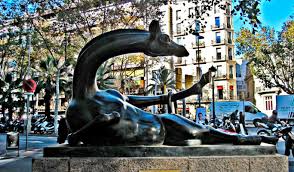
El Toro statue on Rambla Cataluña

Skateboarding

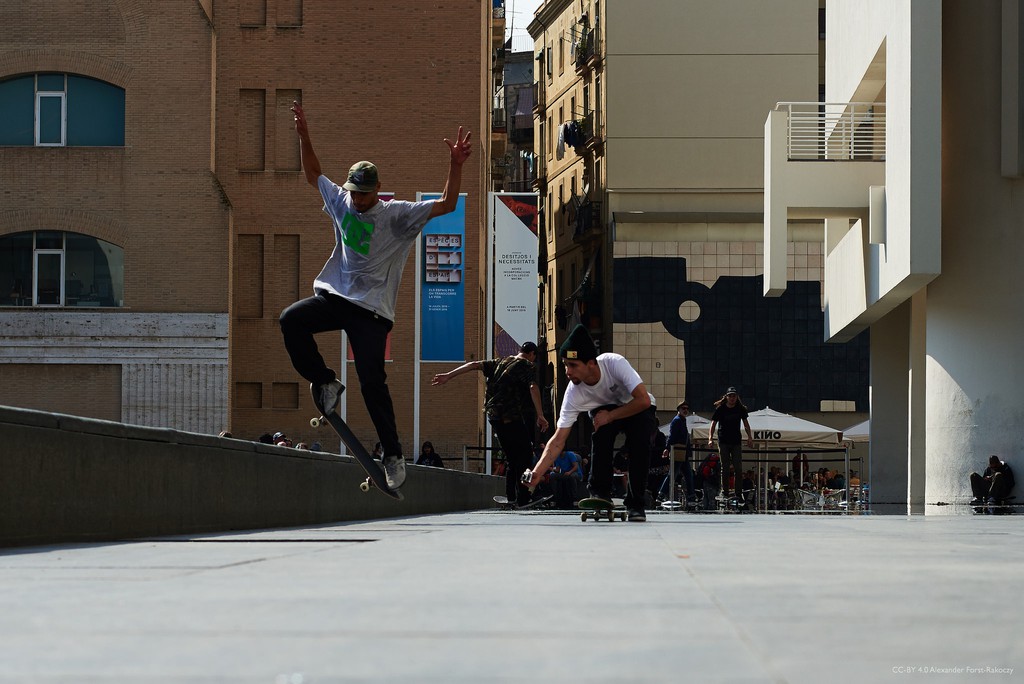
Barcelona has a very big skate culture, even larger than Los Angeles. The city’s weather, architecture, and beach atmosphere make it a perfect place for people of all ages to try out their tricks and trade lessons. 

A hot spot for skaters in this city is in El Raval right outside of the Barcelona Contemporary Art Museum (MACBA). This area is a large square with a ramp and steps outside of the museum, not your usual skate park! This spot attracts skaters of all ages and levels, you can find a 54 year old who’s been skating since middle school and a 20 year old just starting sharing tricks together. Famous skaters from around the world have even come to this spot to film videos, promotions with popular skating companies, and host hangouts with fans. 

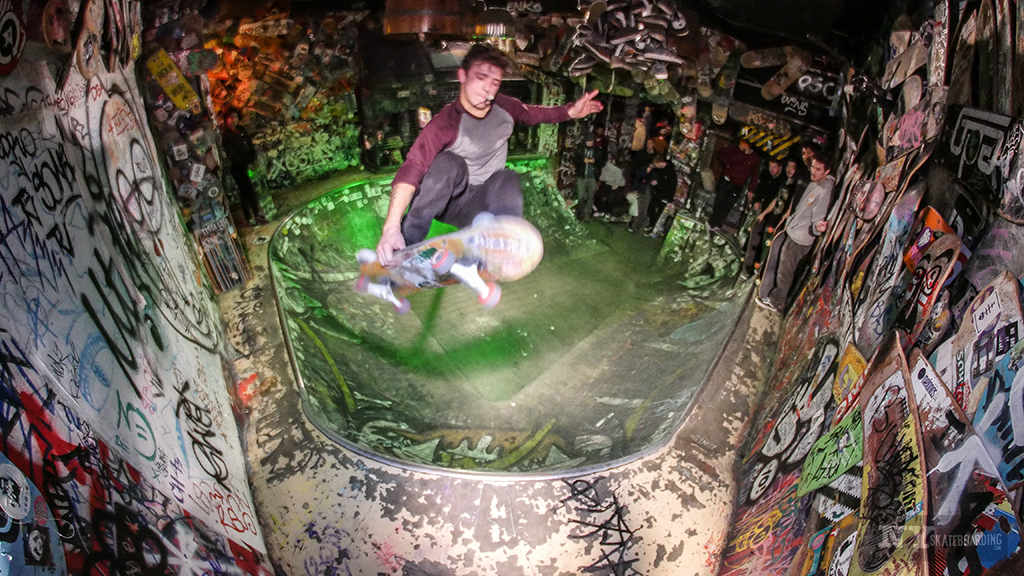
Skate culture in Barcelona extends past this neighborhood of El Raval too. There is a bar called “Nevermind” in the Gothic Quarter. This bar is all skate- themed, with art all over the walls, skateboarding playing on the TVs, and even a half pipe in the bar. 

Skate culture in Barcelona is a great pass time for people who are really into skating, to people who just think the tricks are cool and envy the skaters doing them (like myself)!

Culture in the Streets of Barcelona

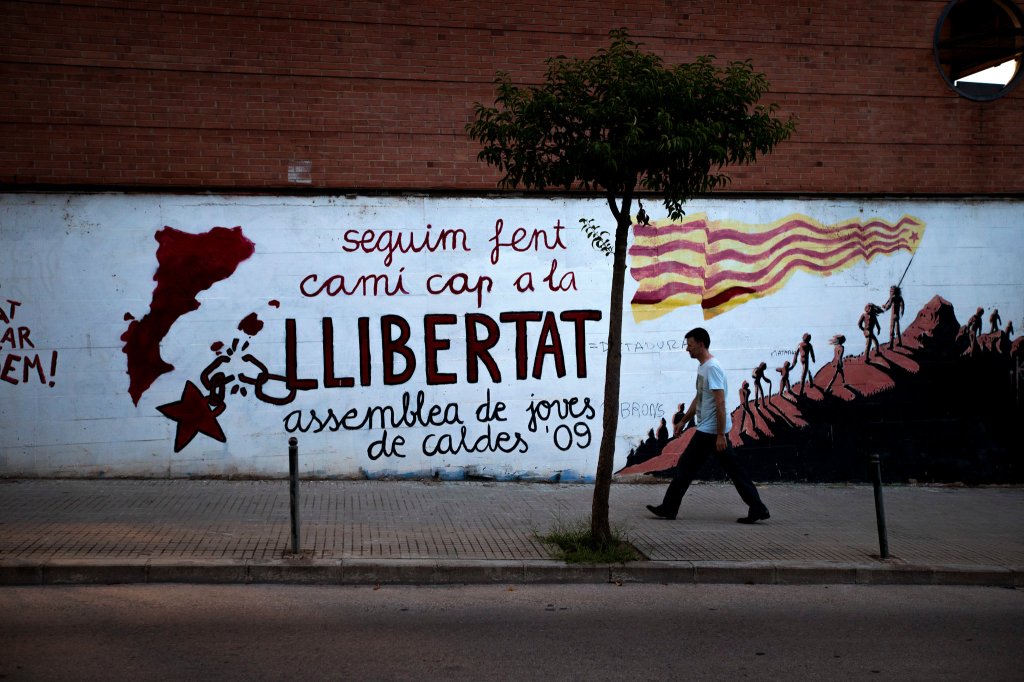
Graffiti is one way for people to express their feelings, and in this case political views, through art. In Barcelona, street art captures the culture and sentiments of most of the residents of the city. One of the places I first visited while in Barcelona was El Bunker del Carmel, which is a popular spot for tourists to hike and watch the sunset. Here you can find a lot of graffiti, and if you understand the language it is written in, you can find even more meaning behind the art. 

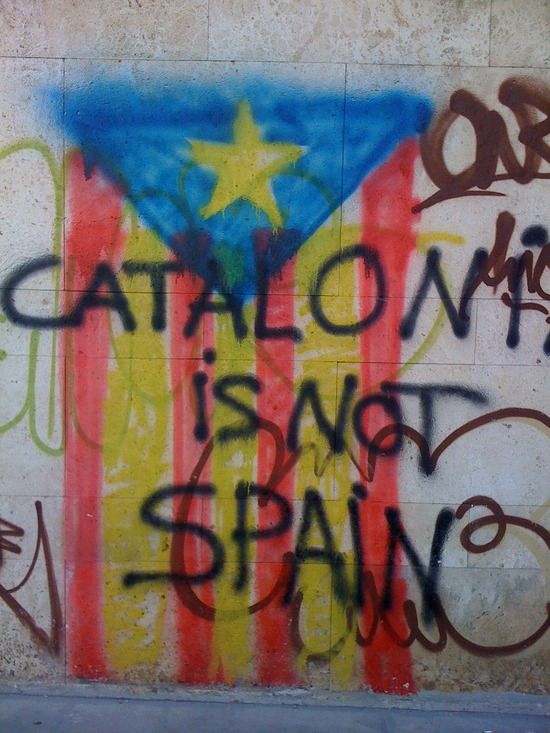
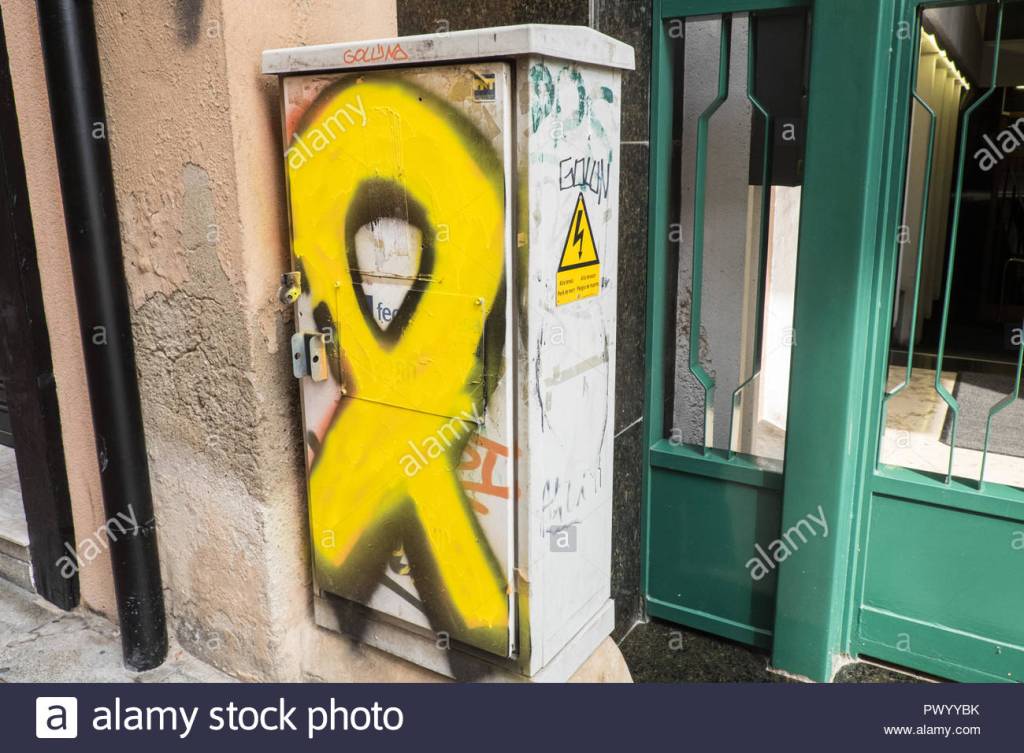
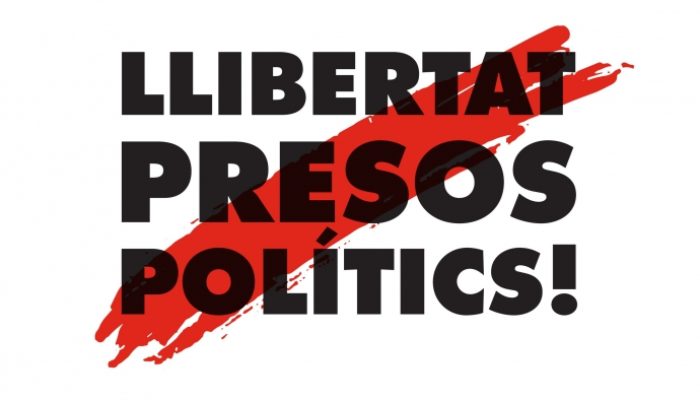
After seeing all of the graffiti at El Bunker del Carmel, I became interested in the graffiti around the rest of the city. I found a common theme of Catalan Independence for most of the art. Almost everywhere there is art of a catalan flag, the yellow ribbon, freeing the political prisoners. Most of this art is written in Catalan, so I had to google translate it when I saw it. 

I think graffiti is a common activity for artists to express their culture, tradition and views. The way residents use the streets of Barcelona as their canvas is very inspiring to me because it symbolizes these movements being in the streets with the residents, as opposed to tucked away in a building.

Mercat Galvany

During my time in Barcelona, I noticed the cultural differences associated with grocery shopping and food consumption. In one of my classes, Food Systems and Sustainability, my classmates and I discovered that Spanish people tend to eat more locally sourced food. A popular tourist spot in Barcelona is La Boqueria Market, which displays the locally sourced and emphasis on fresh foods in the Spanish/ mediteraniean diet. 

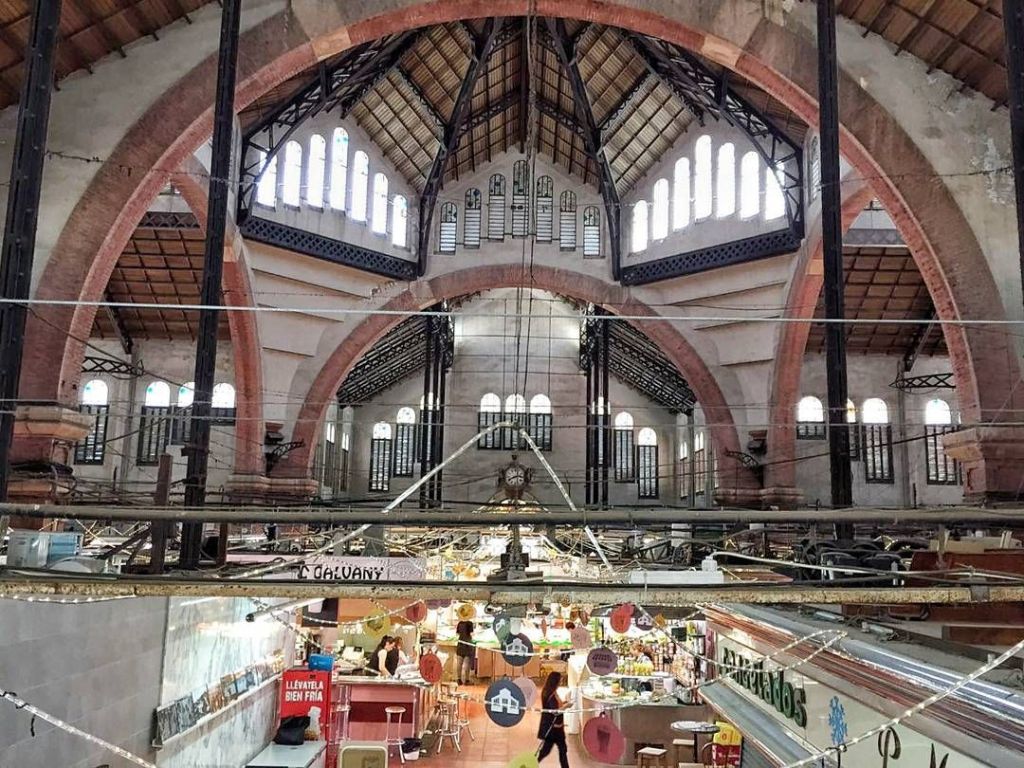
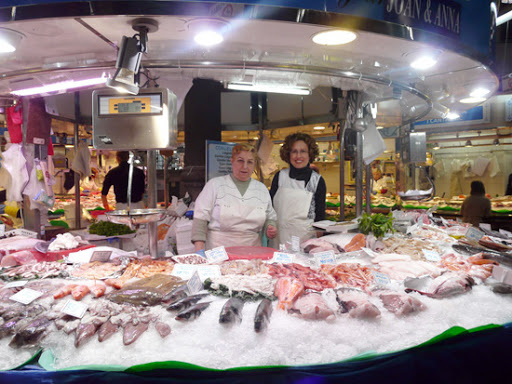
While in Barcelona, I lived in Eixample a few blocks over from Mercat Galvany. This fresh produce market was where I did most of my grocery shopping with the locals. The market has interesting times because it is only open until 2 p.m. most days, meaning residents go in the morning to get fresh food. While shopping, I often found that people were only getting a few items for the day or next few days- which is different from the United States where people do their grocery shopping for a week, sometimes two. 

Mercat Galvany has an array of fresh food: including fruits and vegetables, fish, meat, cheese, and grain/ cereal stands. I liked this market more than La Boqueria Market because it is smaller and not touristy at all. Here it was easy for me to strike up a conversation with a vendor or a customer about how they were using these local products and what recipes they enjoyed most. 

Mercat Galvany is a great display of how Catalans use local food to influence their recipes. 

Junts x Catalunya

Junts Per Catalunya is a Catalan political party that is an alliance consisting of: Partit Català Demòcrata Europeu (PDeCat), National Crida per la República (CNxR), and Convergència Democràtica de Catalunya (CDC). The alliance was created to get the maximum amount of votes for the independent movement, the party name translates to “Together for Catalonia” and their main platform is in support of the referendum.

On a political grid, JxC falls on the center- right liberalist block. The majority of their platform and public presence is for the independence movement, but some of their other views can be seen below. 

  • Capitalist- More likely to support capitalism because of their liberalism and center- right position.
  • Ecologist values- Green conservatism because of center- right position. Believe in environmentalism.
  • Women- Liberalist, in support of human rights and equity under the law. 
  • European Union- Pro EU because they want international support for Catalan independence; currently have little support. Only Slovenia and Belgium voiced support within the EU. 

Their voter demographic consists of Catalan nationalists, which are stronger in the rural areas. This is because cities tend to be more diverse and have residents from other parts of the country (ex. Madrid). 

Currently, they have 34 seats (25.15%) in Catalan Parliament, 8 seats (2.28%) in Spain’s Congress of Deputies, and 5 seats in the Spanish Senate.The Junts per Catalunya is also the party that has three of their leaders currently being held as political prisoners.

“Free the Political Prisoners” can be seen on banners and posters throughout Catalonia
Design a site like this with WordPress.com
Get started